Field report 03 · 13 min · May · Migration
Entry 3 — Spring migration on the Bold Coast
The Bold Coast in the second week of May. Warblers, vireos, thrushes, the rare Bicknell's. First landfall after the long crossing.
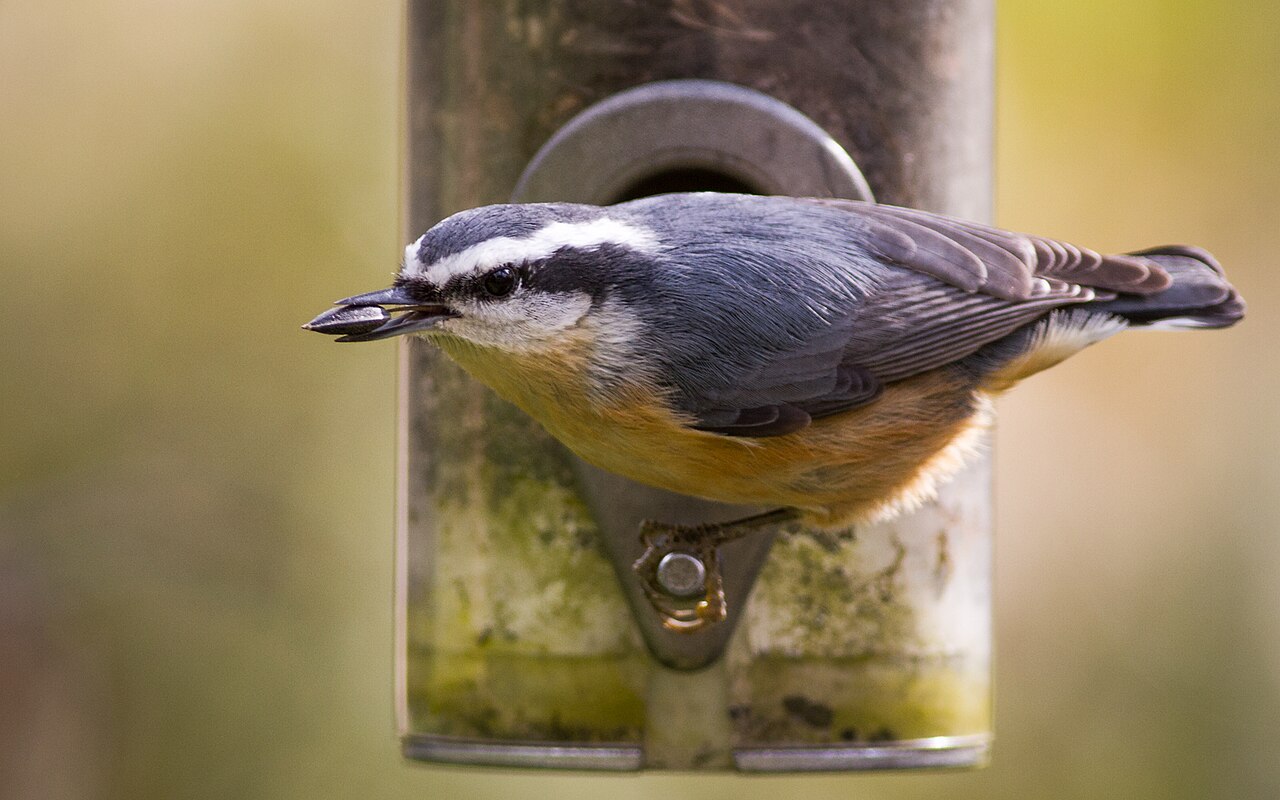
Stonington · April 2026
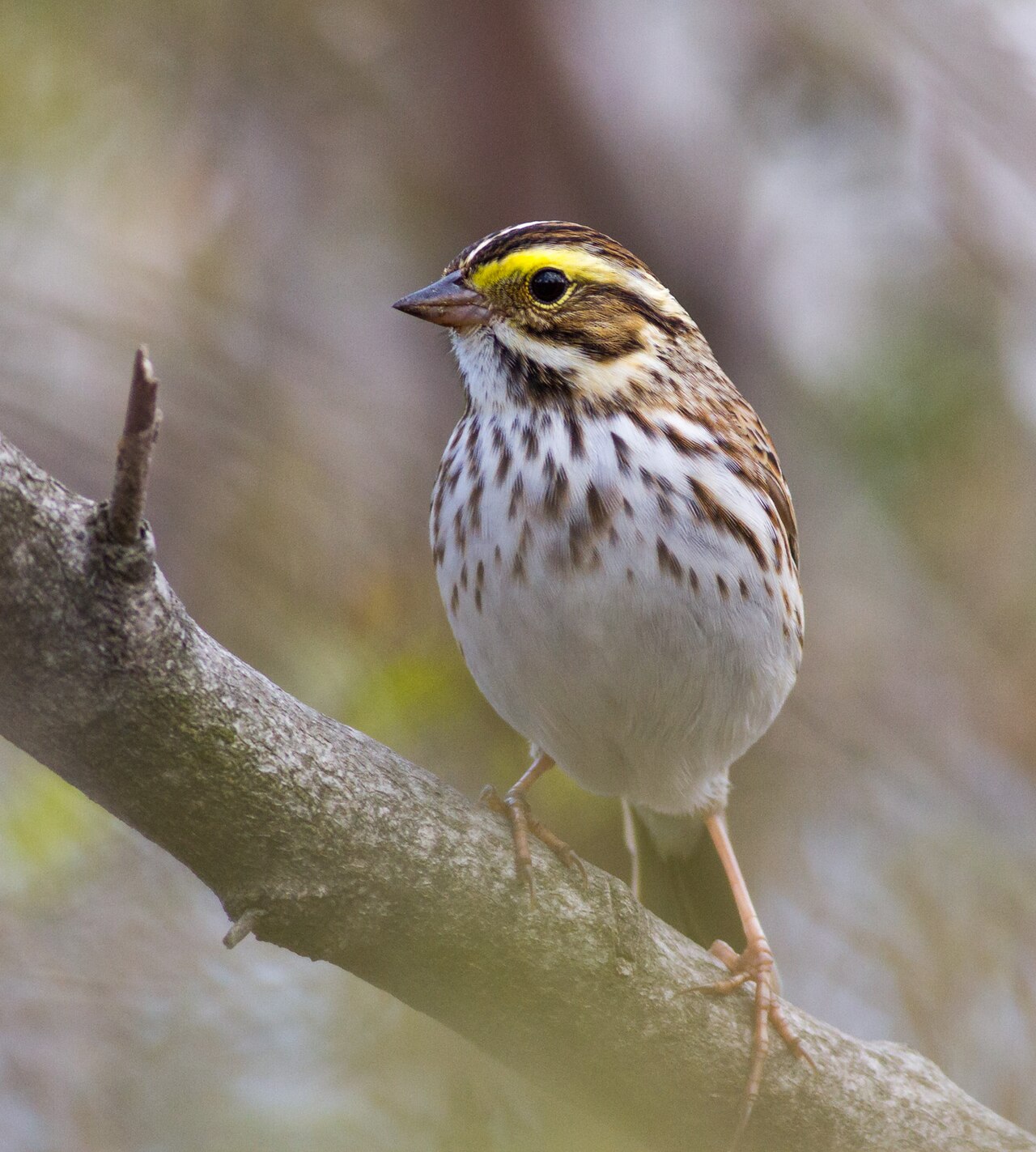
The true spring migration reaches the Maine coast in the second and third weeks of May. The Bold Coast — the long granite cliff-line between Cutler and Lubec — is the easternmost continental land in the United States, and it is where many of the trans-Atlantic and Maritime migrants make first landfall.
I have been keeping a coastal-Maine birding log since March of 1991 — thirty-five years this spring, in four green notebooks that sit on the shelf above the wood stove in the kitchen. The log is private; this open journal is the public, slower half. The five entries in this volume cover one calendar year of slow looking on the eastern Maine coast, watched from one harbour, with one pair of binoculars, on Thursday mornings.
The Thursday morning practice
My birding practice has been, for most of my retired years, simple. Every Thursday morning, regardless of weather, I leave the house at six-fifteen and drive the eight miles down to the Stonington town pier. I walk the harbour-front for an hour, then drive the ten miles along the back road to the granite quarry at Crotch Island for a second hour, then come home for breakfast. The route is the same every week. The variation is in what is on the route.
The Thursday-morning practice is the foundation of the journal. The entries here are not from special trips or rare-bird chases; they are from the routine weekly walk, with the binoculars I have been carrying since 1992 and the small Rite-in-the-Rain notebook in the breast pocket of my coat. The discipline of the same route, watched at the same time, every week, for thirty-five years, is what the journal is built on.
What I saw this migration
The principal birds of this entry's season, on the Stonington-Crotch Island route, are the resident core that defines the local birding identity. They are, in order of how often I see them on a typical Thursday morning, the herring gulls (every walk, dozens of them, hanging in the harbour air over the lobster boats); the eider ducks (every walk, on the ledges off the pier); the common loons (most walks in the season, two or three of them in the harbour); the bald eagles (most walks, one or two, in the tall spruces along the back road); and the cormorants (every walk in the open-water months, drying their wings on the marker buoys).
The resident core is the spine of the year. The variation is in the migrants, the irruptive species, the rarities, and the occasional vagrant that the gulf weather brings in. This entry's most interesting sighting was on a particular Thursday morning — a clear cold dawn, the harbour glass-flat, no wind — when I saw a bird I had not seen on the route in eleven years, sitting quietly on a marker buoy fifty yards off the granite-quarry shore.
The granite-quarry corner
The granite-quarry corner of Crotch Island is, in my partial reading, the most productive single birding spot on the Deer Isle peninsula. The corner is where the deep-water channel meets the long shallow ledge that runs out toward Mark Island, and the ledge attracts both feeding seaducks and the predators that hunt them. I have, over thirty years of Thursday mornings at the corner, accumulated a list of more than two hundred species for that single quarter-mile of shoreline.
The corner this season has had its usual array — the eiders in their seasonal numbers, the loons in their seasonal plumage, the occasional harlequin in the deeper water below the ledge, the year-round bald eagle that hunts the corner from the tall spruce on the south side. The slow accumulation of Thursday mornings at one spot, over decades, is, in my reading, the thing the average birder does not have access to and the thing that makes a coastal-Maine log worth keeping.
What the season teaches
The Bold Coast in the second week of May. Warblers, vireos, thrushes, the rare Bicknell's. First landfall after the long crossing.
The season I am writing about here is the quiet teacher of the year. Each Maine birding season teaches the attentive observer something different — the deep winter teaches patience, the false spring teaches humility, the spring migration teaches awe, the breeding summer teaches abundance, the long fall teaches farewell. The five seasons together teach a particular kind of attention that I do not, honestly, know what to call. My grandfather, who was a Penobscot Bay fisherman, would have called it "coast eye."
Coast eye is, in part, the practical skill — being able to tell a male eider from a female at a quarter-mile, being able to read the wing-beat pattern of a distant scoter, being able to hear the alarm call of a herring gull and know what kind of predator has triggered it. But it is also, in part, something larger — a slow familiarity with the rhythms of the coast that lets the attentive observer notice when something is off. Not a rare bird; just a small shift in the pattern. A morning with fewer eiders than there should be. A week with no harbour seals. An eagle pair that should be on the nest by mid-April and is not.
The notebook
I keep the field notebook in plain prose. Each entry is dated, lists the route walked, gives the weather and the tide state, and notes the principal birds in narrative form. I do not, as some birders do, keep checklists in the field; I find the checklist discipline interrupts the looking. The narrative form, drafted in the field and revised at the kitchen table over coffee, is what works for me.
The notebook for this season is now half full. The principal entries — the days that produced the unusual sightings, the days that produced the small subtle shifts in the route's pattern — have been transferred, in fuller prose, to this open journal. The everyday entries, the Thursdays on which the route produced exactly what one expects the route to produce, are not in the journal. They are in the green notebook on the shelf, and they are, in their accumulation, the foundation that the journal stands on.
What I am watching for next
The next season on the route will bring its own concerns. The eider numbers in eastern Maine have been, in the last decade, in slow decline; the published research suggests this is connected to the warming of the Gulf of Maine and the corresponding shift in the mussel and sea-urchin populations that the eiders feed on. The Thursday-morning data is a small contribution to the larger picture, but the small contributions, accumulated over many Thursdays at many quarter-mile shorelines, are what the larger picture is built from.
I will be watching, on the next season's Thursdays, for the eider counts, for the loon counts, for the seasonal arrival of the harlequins below the lighthouse, for the first goldeneyes on the back of the quarry pond. The journal will record what I see. The eBird account will record the counts. The green notebook on the shelf will, slowly, fill.
For the visitor
If you are visiting Stonington and you have an interest in coastal-Maine birding, the Thursday-morning route is open to anyone with a pair of binoculars and a willingness to start at six-fifteen. I do not lead organised walks — the local Audubon chapter does that, and they do it well — but I am sometimes on the pier on a Thursday morning, and I am happy to point out the resident core to a visitor who is interested.
The best months for a visitor's first walk are May and September. May for the migration, September for the seawatch. The harbour-front is accessible and pleasant; the Crotch Island corner requires a short walk along an active quarry road and is best done with a local. Either way, the binoculars are the only equipment that matters, and the willingness to stand still for an hour is the only skill.
Researched on visits to the Grand Egyptian Museum between November 2025 and February 2026. Principal sources cited in the journal's running bibliography.